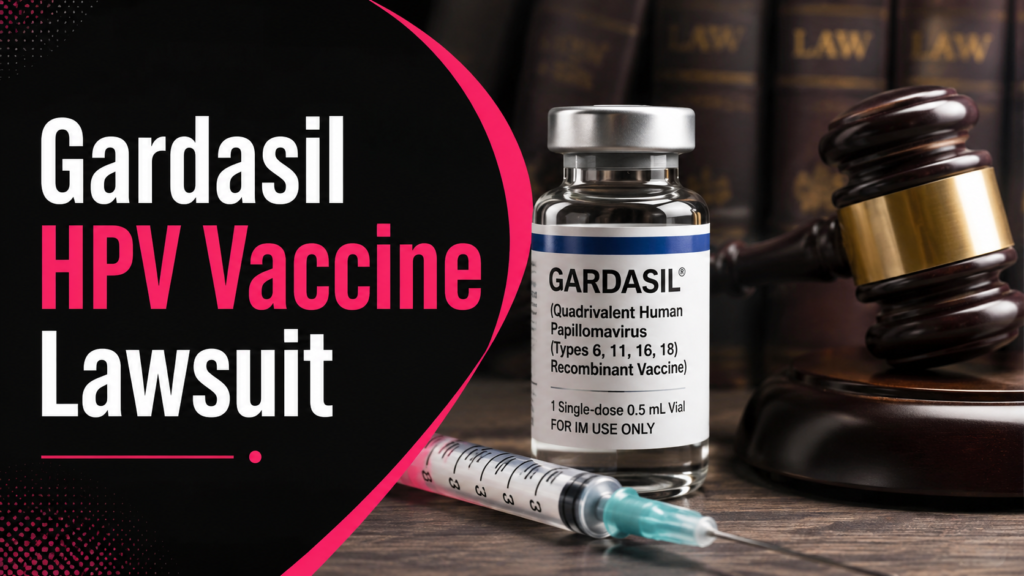

If you or your child received the Gardasil or Gardasil 9 vaccine and later developed symptoms of postural orthostatic tachycardia syndrome (POTS), premature ovarian insufficiency (POI), or other autoimmune issues, you are not alone in seeking answers. Many families have faced unexpected health challenges after vaccination and wondered about legal options. This guide explains the current state of the Gardasil HPV vaccine lawsuit, including Multidistrict Litigation (MDL 3036), the required path through the National Vaccine Injury Compensation Program (VICP), recent settlement developments, and practical steps for those exploring claims.
The goal is clear information so you can make informed decisions about eligibility and next steps.
Understanding the Alleged Injuries Linked to Gardasil
Gardasil and Gardasil 9, manufactured by Merck & Co., protect against certain strains of human papillomavirus that can lead to cervical cancer and other cancers. Millions of doses have been administered. Some individuals later reported conditions they attribute to the vaccine.
Commonly alleged injuries in the litigation include:
- Postural Orthostatic Tachycardia Syndrome (POTS): A form of dysautonomia involving rapid heart rate upon standing, dizziness, fatigue, and related symptoms.
- Premature Ovarian Insufficiency (POI) or Premature Ovarian Failure (POF): Early loss of normal ovarian function, sometimes linked to fertility concerns.
- Other autoimmune dysfunction, chronic pain, or neurological symptoms.
These reports form the basis of many claims. It is important to note that major health authorities, including the CDC, FDA, and WHO, maintain that the vaccine is safe and effective based on extensive data. Litigation involves individual allegations rather than a finding of overall product unsafety. Courts and the Vaccine Court evaluate each case on its medical and legal merits.
Parents of teens or young adults often describe a timeline of vaccination followed months later by new symptoms that disrupted school, work, or daily life. Documenting that medical history carefully is essential for any claim.
The National Vaccine Injury Compensation Program (VICP) Requirement
Before most people can sue a vaccine manufacturer in civil court, federal law requires them to go through the National Vaccine Injury Compensation Program, often called Vaccine Court. This is a no-fault system created under the National Childhood Vaccine Injury Act.
Key rules include:
- File a petition in the U.S. Court of Federal Claims within 36 months of the first symptom of the alleged injury (or significant aggravation of a preexisting condition).
- HPV vaccines such as Gardasil are covered vaccines under the program.
- A special master reviews medical evidence. Compensation can cover medical expenses, lost wages, and pain and suffering up to statutory limits if the claim succeeds.
- If the special master has not issued a decision within 240 days (or after judgment if you reject it), you may withdraw the petition and pursue a civil lawsuit against the manufacturer. Filing in VICP generally pauses certain statutes of limitations.
Timeliness is strictly enforced. Courts have held that a special master’s finding of untimeliness is preclusive. You generally cannot relitigate that issue later in civil court. This has led to dismissals of many Gardasil-related civil claims where the VICP petition was filed too late.
Many claimants file in VICP first, gather records, and then decide whether to accept any compensation offered or move to civil litigation after the required waiting period. Working with an attorney experienced in both VICP and pharmaceutical product liability helps navigate these sequential steps.
Multidistrict Litigation MDL 3036 Overview
In 2022, the Judicial Panel on Multidistrict Litigation consolidated federal Gardasil product liability cases into MDL 3036, In re: Gardasil Products Liability Litigation, in the Western District of North Carolina. The cases were initially assigned to one judge and later reassigned to Judge Kenneth D. Bell.
Plaintiffs alleged that Merck failed to adequately warn about risks of POTS, POI, and related autoimmune conditions. Claims often centered on failure-to-warn theories under state law.
Significant developments followed:
- In March 2025, the court granted summary judgment to Merck on key failure-to-warn claims in bellwether cases, finding those claims preempted by federal law because they conflicted with FDA-approved labeling.
- Related rulings addressed expert testimony and other issues.
- The U.S. Court of Appeals for the Fourth Circuit later affirmed important aspects of the district court’s approach, including the binding nature of VICP timeliness determinations.
By mid-to-late 2026, the federal MDL docket had shrunk dramatically. Most of the roughly 250+ cases filed over the life of the MDL had been resolved or dismissed, leaving only a small number pending. Some related claims continued in state courts.
Federal preemption has proven a major hurdle for traditional failure-to-warn theories in this litigation. Remaining viable theories, if any, tend to focus on manufacturing defects or other limited exceptions, though success is not guaranteed.
Recent Settlement Developments
In June 2026, reports indicated that Merck agreed to settle the bulk of remaining Gardasil product liability lawsuits for approximately $50 million. The agreement was described as covering more than 200 cases and resolving nearly all pending U.S. litigation except possibly one matter. Merck characterized the amount as not material to the company and continued to maintain that evidence supports the safety and efficacy of its HPV vaccines. The company did not admit liability.
This is not a global class-action settlement with standardized payouts. Individual case values within any settlement framework vary based on injury severity, medical documentation, age, and other factors. Average amounts, if calculated across the group, would be modest compared with some other pharmaceutical mass torts. Earlier VICP data on HPV vaccine claims shows a relatively small number of compensated cases overall, with median awards in the tens of thousands of dollars when compensation occurs.
Settlement participation typically requires meeting specific eligibility criteria set by the agreement, including prior VICP exhaustion where required and documented injuries. Not every filed case automatically qualifies.
Who May Be Eligible to Explore a Claim
Eligibility depends on several factors:
- Receipt of Gardasil or Gardasil 9.
- Subsequent diagnosis of POTS, POI/POF, or another serious condition with medical records linking the timeline.
- Compliance with the VICP 36-month filing window from symptom onset (or ability to show equitable tolling was properly raised and resolved in Vaccine Court).
- Applicable state statute of limitations for any civil claim (often 2–4 years from discovery of the injury, though VICP filing can affect the calculation).
- Sufficient medical evidence and expert support connecting the vaccine to the condition under the legal standard that applies.
Parents of minors or young adults may pursue claims on their behalf. Cases involving clear medical documentation and timely VICP filings have the strongest procedural footing. Late filings face significant barriers after the Fourth Circuit’s guidance.
Consulting an attorney promptly is advisable because deadlines are unforgiving. An evaluation can review vaccination records, medical history, and VICP status without initial cost in many contingency arrangements.
How to File or Pursue a Gardasil HPV Vaccine Lawsuit
- Gather vaccination records, medical records documenting symptoms and diagnoses, and a clear timeline.
- Consult a lawyer experienced in vaccine injury and pharmaceutical litigation. They can assess VICP status first.
- File a VICP petition if not already done and if still within the 36-month window.
- Allow the Vaccine Court process to run (or wait the 240 days if seeking to withdraw).
- If proceeding to civil court, claims may be filed in state court or, if appropriate, transferred into coordinated proceedings. With the MDL largely resolved, new cases face different procedural paths.
- Participate in any available settlement process if eligible, or litigate individual claims where viable theories remain.
Common pitfalls include missing the VICP deadline, incomplete medical records, or assuming a large average settlement exists. Most cases that reached civil court encountered preemption or exhaustion defenses.
Statute of Limitations Considerations
The VICP three-year rule from first symptom is the primary gatekeeper. State personal injury statutes of limitations still apply once a civil case is filed. Some jurisdictions use a discovery rule (time starts when the injury and its possible cause are reasonably known). Because Vaccine Court findings on timeliness can bind later courts, missing the federal deadline often ends the path to manufacturer liability claims.
Act quickly if symptoms began years ago. An attorney can calculate exact deadlines based on your records.
What This Means for Families Seeking Answers
Living with POTS, POI, or similar conditions is challenging. Symptoms can affect independence, education, career, and family life. Seeking legal information is a reasonable step when medical care alone has not resolved questions about causation or compensation options.
The legal landscape in 2026 reflects significant judicial rulings favoring preemption and strict VICP compliance, followed by a modest settlement that closed most remaining cases. Compensation through VICP remains available for qualifying injuries when petitions are timely and supported by evidence. Civil recoveries have been limited by the procedural and substantive hurdles described above.
Scientific and regulatory bodies continue to support the vaccine’s benefits in preventing HPV-related cancers. Individual experiences differ, and each claim turns on its specific facts and evidence.
Frequently Asked Questions
What is the current status of the Gardasil HPV vaccine lawsuit?
Most federal cases in MDL 3036 have been resolved or dismissed. A June 2026 settlement of about $50 million addressed the bulk of remaining claims. A small number of matters may continue.
Do I have to go through Vaccine Court first?
Yes, for covered vaccines including Gardasil. Timely filing within 36 months of first symptom is required before suing the manufacturer in most circumstances.
What side effects qualify for a Gardasil lawsuit?
Claims have centered on POTS, POI/POF, and other autoimmune conditions. Qualification depends on medical documentation, timing, and legal standards rather than self-reported symptoms alone.
Is there an average payout for Gardasil cases?
No publicly standardized average exists for the civil settlement. VICP awards for HPV claims have historically been modest when granted. Individual outcomes vary widely.
What is the statute of limitations for a Gardasil claim?
VICP: generally 36 months from first symptom. Civil claims: state-specific, often 2–4 years, subject to discovery rules and the effect of any prior VICP filing.
Can parents file on behalf of a teen or young adult?
Yes, legal representatives can pursue claims for minors or those unable to proceed independently.
Does a settlement mean Merck admitted the vaccine caused injuries?
No. Merck has consistently stated that the evidence supports the safety and efficacy of Gardasil and described the settlement amount as not material.
You May Also Like: Tylenol Autism Lawsuit Guide: Eligibility, Status, Updates 2026