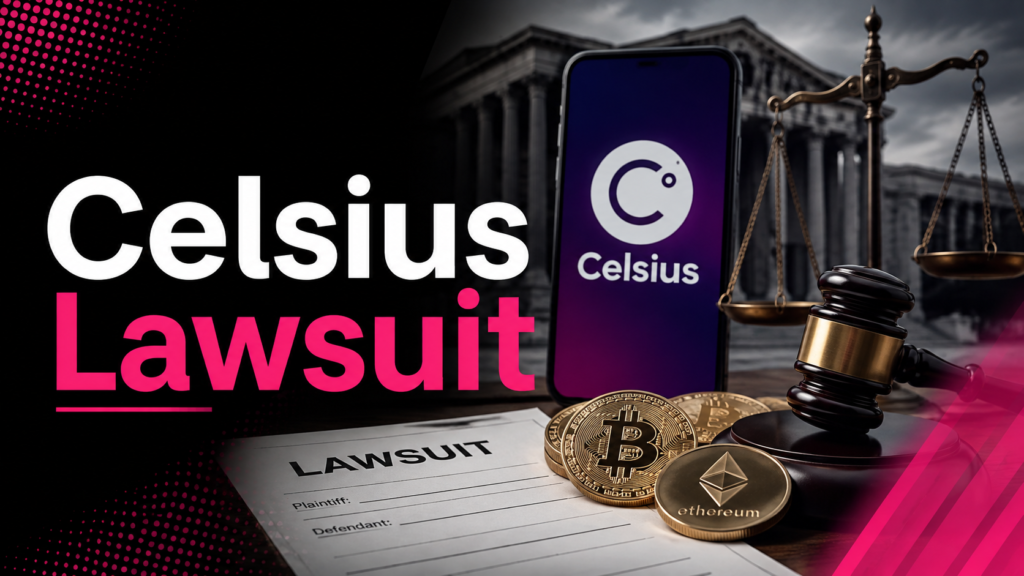

Energy drinks line store shelves with bright colors and bold promises of focus and energy. For many consumers and parents, the question is simple: Are these products marketed responsibly, especially to younger audiences? Recent legal developments involving Celsius entities have brought that issue into sharp focus. This article examines the Celsius lawsuit landscape, including state investigations into youth-oriented marketing and federal actions against a separate crypto platform sharing the same name. It aims to clarify the facts for consumers, investors, legal observers, and health-conscious readers.
The goal is straightforward. Readers will gain a clear picture of regulatory findings, consumer protection concerns, and practical takeaways without unnecessary jargon.
Distinguishing the Two Celsius Entities
Confusion often arises because two unrelated companies share the Celsius name. Understanding the difference is essential.
Celsius Holdings, Inc. is the publicly traded energy drink company (NASDAQ: CELH). It produces fitness-oriented beverages and owns Alani Nutrition, LLC, maker of the popular Alani Nu energy drinks. Each 12-ounce Alani Nu can contains 200 mg of caffeine. The company has faced scrutiny over packaging, influencer promotions, labeling claims, and marketing practices.
Celsius Network was a cryptocurrency lending platform that collapsed into bankruptcy in 2022. Its founders faced Federal Trade Commission charges over alleged deceptive promises about the safety and availability of customer deposits. In 2026, the founders agreed to pay a combined $16.5 million to resolve those charges.
This article addresses both because the primary keyword and secondary terms span the energy drink marketing probe and the crypto settlement. The youth marketing concerns center on the energy drink side.
Texas Attorney General Investigation into Alani Nu and Youth Marketing
In June 2026, Texas Attorney General Ken Paxton announced an investigation into Celsius Holdings and its Alani Nu brand. The probe focuses on whether the company misled consumers about product safety for teens and children, potentially violating the Texas Deceptive Trade Practices Act (DTPA).
Alani Nu is marketed as a low-calorie energy drink aimed at young adults. Critics point to its colorful packaging, playful design elements, and branding strategies that may appeal to younger consumers. Each can delivers 200 mg of caffeine. Medical professionals and the National Institutes of Health have flagged this level as potentially dangerous for children and adolescents, linking high caffeine intake to elevated heart rate, palpitations, high blood pressure, anxiety, and dehydration.
The investigation was prompted in part by a wrongful death lawsuit filed by the family of 17-year-old Larissa Rodriguez of Weslaco, Texas. Rodriguez, a cheerleader and honor student, died in October 2025. The Hidalgo County medical examiner determined the cause as cardiomyopathy (enlarged or diseased heart muscle) caused by excessive caffeine consumption. Her family alleged she regularly consumed Alani Nu, sometimes multiple cans per day, and that the product lacked adequate warnings about cardiac risks beyond listing caffeine content. The lawsuit named the local distributor, Glazer’s Beer and Beverage, rather than the manufacturer directly. Distributors have sought dismissal, arguing they are non-manufacturing sellers.
Paxton’s office stated that packaging typically lists only the caffeine amount without additional age-related or heart-health warnings. The investigation examines whether these practices amount to deceptive marketing practices under state consumer protection laws.
Celsius Holdings responded that it disagrees with the allegations and characterizations. The company said Alani Nu labels disclose total caffeine content and include responsible-use guidance stating the product is not recommended for children, people sensitive to caffeine, pregnant women, or nursing women. It also stated a company policy against marketing or sampling energy drinks to anyone under 18. Celsius indicated it expects to cooperate with the review.
Energy drink regulation remains largely a patchwork of state actions and voluntary industry guidelines rather than uniform federal age restrictions. The Texas probe fits a broader pattern of attorneys general examining marketing that reaches minors for products with known risks.
Why Youth-Targeted Advertising Raises Concerns
Youth-oriented branding does not automatically equal illegal targeting. However, consumer protection laws prohibit practices that mislead reasonable consumers about material facts such as safety risks. Colorful packaging and social media presence can create appeal across age groups. When combined with high caffeine levels and limited warnings, regulators may scrutinize whether the overall presentation downplays risks to adolescents.
Real-world examples include social media promotions and influencer content that reach younger audiences. Separate class actions have alleged that some Celsius influencers failed to adequately disclose paid relationships, potentially violating FTC endorsement guidelines. One 2025 California putative class action claimed certain posts lacked clear “paid partnership” disclosures.
Health authorities consistently advise against energy drink use by children and teens. The American Academy of Pediatrics and NIH guidance emphasize that adolescents should limit caffeine, with many recommending no more than 100 mg daily for those 12–17. A single Alani Nu can exceeds that threshold.
Other Legal Challenges Facing Celsius Holdings
Beyond the Texas investigation, Celsius Holdings has faced additional consumer and labeling litigation.
In 2023, a $7.8 million class action settlement resolved claims that Celsius products were labeled “no preservatives” despite containing citric acid, which plaintiffs argued functions as a preservative. Eligible purchasers of certain products between 2015 and 2022 could claim compensation. The settlement also required labeling changes.
Another action, Starks v. Celsius Holdings, filed in 2024, alleged that metabolism-boosting, fat-burning, and weight-loss claims positioned the drinks as unapproved drugs under the Food, Drug, and Cosmetic Act. These cases highlight ongoing tension between marketing language and regulatory standards for conventional beverages versus dietary supplements or drugs.
Influencer marketing remains an active area. Class actions have targeted brands, including Celsius, over alleged failures to disclose material connections between influencers and the company. FTC guidelines require clear and conspicuous disclosures when posts are sponsored. Noncompliance can support claims of deceptive marketing practices and unfair competition.
For investors, these matters create disclosure and reputational considerations. Celsius has reported strong growth from Alani Nu after its acquisition, with the brand contributing significant sales through expanded distribution. Legal developments can affect share price and operational focus even when the company disputes the claims.
The Celsius Network FTC Settlement and Financial Misrepresentation
Separately, the cryptocurrency platform Celsius Network and its founders faced extensive federal enforcement after the 2022 collapse that trapped billions in customer assets.
In July 2023, the FTC charged the company and executives Alexander Mashinsky, Shlomi Daniel Leon, and Hanoch “Nuke” Goldstein with deceiving consumers. Allegations included false claims that deposits were safer than bank deposits, always available for withdrawal, backed by a $750 million insurance policy, supported by sufficient reserves, and free of unsecured lending risk. The platform marketed high yields, sometimes advertised near 18% APY, while allegedly using customer funds in ways inconsistent with those representations.
The company settled with a permanent ban on handling consumer assets and a $4.7 billion judgment (largely suspended to allow bankruptcy distributions). In 2026, the three founders agreed to pay a total of $16.5 million: Mashinsky $10 million, Leon $4.1 million, and Goldstein $2.4 million. The orders also impose broad bans on marketing or selling products or services used to deposit, exchange, invest, or withdraw assets (with some variations by individual). Additional restrictions cover misrepresentations and certain privacy practices under the Gramm-Leach-Bliley Act.
This case illustrates financial misrepresentation and the FTC’s role in protecting consumers from deceptive claims in emerging financial products. It underscores corporate transparency expectations when companies solicit public deposits or investments. Crypto observers and retail investors followed the bankruptcy and recovery process closely, with distributions returning a portion of eligible claims over time.
The settlement does not involve the energy drink company. The shared name has caused occasional public confusion, which is why clear distinctions matter for accurate reporting and informed decision-making.
Consumer Protection Laws and Energy Drink Regulation
Consumer protection frameworks give states and the FTC tools to address misleading practices. The Texas DTPA prohibits false, misleading, or deceptive acts in the conduct of trade or commerce. Similar statutes exist nationwide. At the federal level, the FTC Act bars unfair or deceptive acts or practices.
Key principles include:
- Clear disclosure of material risks.
- Truthful claims about product benefits and composition.
- Adequate warnings when products pose elevated risks to identifiable groups such as children.
- Honest representation of commercial relationships in advertising, including influencer posts.
Energy drinks occupy a regulatory gray area. They are generally treated as conventional beverages rather than dietary supplements in many contexts, though structure/function claims can trigger additional scrutiny. There is no uniform federal ban on sales to minors, though some localities have considered or enacted restrictions. Industry self-regulation and voluntary age-gating on marketing are common responses.
Parents and health-conscious consumers can take practical steps: read full labels for caffeine content and warnings, limit intake for adolescents, and monitor social media influence on younger household members. Investors should review company disclosures about pending investigations and litigation in SEC filings.
Legal professionals tracking these matters watch for patterns in attorney general actions against youth-facing marketing across categories (energy drinks, nicotine products, and others). Precedents from influencer disclosure cases and labeling settlements continue to shape compliance expectations.
What These Developments Mean for Everyday Readers
For consumers, the core message is informed choice. High-caffeine products carry documented risks for some users, particularly younger ones. Transparent labeling and responsible marketing support better decisions. The Texas investigation and related lawsuits put pressure on companies to strengthen warnings and refine targeting practices.
Investors in Celsius Holdings face ordinary litigation and regulatory risk alongside growth opportunities from brands like Alani Nu. Crypto participants who lost access to funds on Celsius Network have seen partial recovery through bankruptcy and the civil resolutions against founders.
Corporate transparency remains a recurring theme. Whether the product is an energy drink or a crypto platform, regulators expect accurate statements about safety, availability, and risks. Deceptive practices can lead to investigations, settlements, bans, and civil liability.
Health-conscious individuals may prefer lower-caffeine alternatives or strictly limited consumption. Checking official sources such as NIH guidance on caffeine and energy drinks provides reliable context beyond marketing materials.
Key Takeaways and Looking Ahead
The Celsius lawsuit landscape includes an active Texas Attorney General investigation into Alani Nu youth marketing and caffeine-related safety representations, separate consumer class actions over labeling and influencer disclosures, and a resolved FTC enforcement action against the unrelated crypto platform’s founders totaling $16.5 million in payments plus marketing bans.
These matters highlight the intersection of energy drink regulation, youth targeted advertising, deceptive marketing practices, consumer protection laws, and corporate transparency. Outcomes will depend on evidence developed in the investigations and ongoing litigation. Companies that prioritize clear risk communication and age-appropriate marketing reduce exposure. Consumers who read labels carefully and understand caffeine limits protect their own health.
If you have questions about a specific product claim, a pending claim, or investment disclosure, consult qualified legal or financial counsel familiar with the relevant jurisdiction. Official resources from the Texas Attorney General’s office and the Federal Trade Commission offer primary source information on these matters.
Frequently Asked Questions
What is the Celsius lawsuit about?
The main current focus is Texas Attorney General Ken Paxton’s investigation into whether Celsius Holdings and Alani Nu engaged in deceptive practices by marketing high-caffeine energy drinks in ways that appeal to teens and children without adequate safety warnings. Separate class actions have addressed labeling and influencer disclosure issues. An unrelated crypto company named Celsius Network resolved FTC charges with its founders paying $16.5 million.
What are the details of the Texas Attorney General Celsius investigation?
Announced in June 2026, it examines potential violations of the Texas Deceptive Trade Practices Act related to Alani Nu’s 200 mg caffeine content, colorful packaging, and limited warnings. It followed a wrongful death lawsuit linking a 17-year-old’s death to excessive caffeine consumption.
Did Celsius Network pay a $165 million FTC penalty?
No. The founders paid a total of $16.5 million. The corporate entity faced a much larger suspended judgment in connection with bankruptcy proceedings to facilitate customer recoveries.
Are there youth marketing concerns with Celsius energy drinks?
Regulators have raised questions about packaging and branding that may appeal to younger consumers for a product containing caffeine levels considered risky for adolescents. The company states it does not market to those under 18 and includes responsible-use language on labels.
What should consumers know about Alani Nu ingredients and caffeine?
A standard 12-oz can contains 200 mg of caffeine. Labels list this amount and generally advise against use by children, caffeine-sensitive individuals, and pregnant or nursing women. Health authorities recommend limited or no energy drink use for teens.
How do consumer protection laws apply here?
State laws like the Texas DTPA and federal FTC authority prohibit misleading representations about product safety and commercial relationships. Companies must avoid practices that could deceive reasonable consumers about material risks.
What is the status of related class actions?
A 2023 settlement resolved “no preservatives” claims for $7.8 million with labeling changes. Other actions involving influencer disclosures and metabolism claims have been filed; outcomes vary and some remain pending.
You May Also Like: Capital One Outage Class Action Lawsuit Explained for Customers