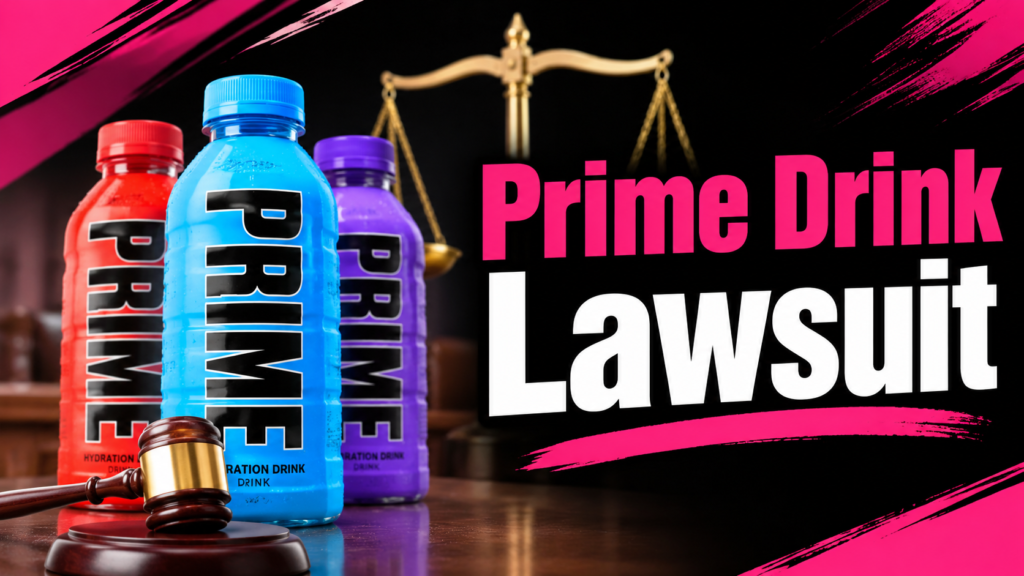

Millions of bottles of Prime Hydration flew off shelves after influencers Logan Paul and KSI launched the brand. Parents bought the colorful grape flavor for kids after sports. Fitness fans grabbed it for electrolytes and vitamins. Then came the headlines about “forever chemicals.”
If you purchased Prime Hydration or Prime Energy and wondered whether those claims affect you, this guide walks through the facts of the prime drink lawsuit. It covers the PFAS allegations, court developments, the confidential settlement, and practical next steps for everyday buyers. The goal is clear information so you can decide what matters for your household.
What Are PFAS and Why Do They Matter in Drinks?
Per- and polyfluoroalkyl substances, often called PFAS or forever chemicals, are a large group of man-made compounds. Manufacturers used them for decades because they resist heat, water, and oil. They appear in nonstick cookware, stain-resistant fabrics, food packaging, and some industrial processes.
The problem is persistence. PFAS do not break down easily in the environment or the body. Once they enter water, soil, or blood, they can stay for years. The U.S. Environmental Protection Agency has studied them closely. In 2022 the agency issued interim lifetime health advisories for two of the most studied PFAS: 0.004 parts per trillion for PFOA and 0.02 parts per trillion for PFOS in drinking water. These levels are extremely low because research links higher exposure to health concerns.
Studies associate certain PFAS with effects on the immune system, higher cholesterol, changes in liver enzymes, developmental issues in fetuses and infants, and increased risk of some cancers. Researchers also examine possible endocrine disruption, meaning interference with hormone systems that regulate growth, metabolism, and reproduction. The science continues to evolve, and not every exposure produces the same outcome. Dose, duration, and individual factors all play roles.
Regulators treat drinking water differently from occasional beverage consumption. Still, when a product marketed for health and hydration tests positive for these compounds, consumers notice. That gap between marketing and testing sat at the center of the lawsuit.
The Core Allegations in the Prime Drink Lawsuit
In August 2023, California resident Elizabeth Castillo filed a proposed class action against Prime Hydration LLC in the U.S. District Court for the Northern District of California (Case No. 3:23-cv-03885). The complaint focused on the grape-flavored Prime Hydration sports drink.
Castillo’s lawyers commissioned independent testing. The results, according to the complaint, detected multiple PFAS compounds, including PFOA and PFOS. The suit alleged that the PFOS level reached roughly three times the EPA’s interim lifetime health advisory for drinking water. It also claimed the product was adulterated and misbranded under federal and California food laws because the packaging and marketing never disclosed the presence of these chemicals.
The complaint said Prime marketed the drink as a healthy option packed with electrolytes, vitamins, and antioxidants that helps users “refresh, replenish, and refuel.” Plaintiffs argued that reasonable consumers would not expect forever chemicals in a product sold that way. They sought damages for purchasers, injunctive relief to stop the alleged misrepresentations, and class certification for people who bought the grape drink for personal use.
The case raised classic consumer protection theories: false advertising, violations of California’s Unfair Competition Law and Consumer Legal Remedies Act, and breach of the implied warranty of merchantability. Under the implied warranty, goods must be fit for their ordinary purpose and of merchantable quality. Plaintiffs claimed a drink containing undisclosed PFAS at the tested levels failed that standard.
Prime Hydration denied the allegations. The company argued that any PFAS, if present at all, existed at trace levels common in the environment and packaging, that the testing was unreliable, and that consumers suffered no cognizable injury. Co-founder Logan Paul publicly rejected the claims in a TikTok video, calling the testing “absolute bull” and noting that EPA guidance treats measurements below certain detection thresholds as unreliable. He pointed to the company’s water filtration methods and the shared bottle manufacturers used by major beverage brands.
How the Court Handled the Claims
Litigation moved through several stages. Prime filed motions to dismiss and later for judgment on the pleadings. In September 2024, U.S. District Judge Araceli Martínez-Olguín granted the motion in part and denied it in part. Many of the advertising and consumer protection claims were dismissed or limited because the court found certain marketing phrases too vague or general to mislead a reasonable consumer under the applicable test. The breach of implied warranty claim under the California Commercial Code survived at that stage. The court also addressed standing and injury questions, allowing the case to continue on the remaining theory.
A later ruling on a motion for judgment on the pleadings produced a similar mixed result. The Song-Beverly Consumer Warranty Act claim was dismissed, but the Commercial Code warranty claim remained for factual development. The parties continued toward trial preparation while exploring resolution.
These rulings mattered. Courts often narrow class actions early. Surviving claims keep pressure on both sides and create incentives to settle rather than risk an unpredictable jury decision on product safety and warranty issues.
Settlement Developments and Current Status
In January 2026 the parties reached an agreement after a settlement conference. Castillo filed a stipulation of dismissal on January 27, 2026. The court terminated the case the next day. The specific financial terms were not publicly disclosed.
Because the settlement remains confidential, there is no public claims process, claim form, or published payout amounts for individual consumers. Class members did not receive formal notice of a fund they could join in the way some large consumer settlements operate. The dismissal closed the federal case without a public allocation of money to purchasers.
This outcome is common in private settlements of proposed class actions. Parties often resolve disputes quietly to avoid the costs and risks of further litigation. Consumers who hoped for refunds or vouchers will not find an open portal for the PFAS claims based on currently available court records.
A separate matter involving Prime Hydration and the Environmental Research Center under California’s Proposition 65 settled earlier. That case involved alleged heavy metal (lead and mercury) exposures rather than PFAS. The company paid $150,000 and agreed to certain injunctive terms regarding future sales in California. It is distinct from the Castillo PFAS action.
Other lawsuits against the brand, including one over caffeine content in Prime Energy drinks, ended differently. A New York federal court dismissed the caffeine case with prejudice in 2025 after finding the plaintiffs’ testing allegations insufficient and the alleged difference not material to a reasonable consumer.
Class Action Versus Individual Claims: What the Difference Means for You
Many people hear “class action” and assume automatic payments. The reality is more limited. In a class action, one or more named plaintiffs sue on behalf of a larger group with similar claims. If the court certifies the class and the case settles or goes to judgment, class members usually receive notice and a chance to claim benefits or opt out.
When parties settle before certification or keep terms confidential, that notice process may never occur. Individual consumers keep the right to consult their own lawyers about personal claims, but the statute of limitations, proof requirements, and cost of individual litigation often make small-value claims impractical. Most people who bought a few bottles of grape Prime Hydration would find the economics of a solo lawsuit challenging.
Breach of implied warranty claims focus on whether the product was fit for ordinary use. False advertising claims examine whether marketing created a reasonable expectation that the product did not meet. Both theories require evidence of injury, which courts interpret as economic loss (paying more than the product was worth) or, in some cases, risk of future harm. Pure emotional concern without economic or physical injury usually does not suffice under federal standing rules.
Practical Guidance for Consumers Who Bought Prime
If you purchased the grape-flavored Prime Hydration during the relevant period, here is a realistic assessment:
- Check your records. Receipts, credit card statements, or loyalty program history can document purchases if you ever need them.
- Understand there is currently no open claims process from the Castillo settlement. Watching court dockets or reputable legal news sources is the practical way to stay informed.
- Consider the bigger picture of PFAS exposure. These chemicals appear in many products and environmental sources. Reducing overall exposure often involves choosing products with transparent testing, using certified water filters where appropriate, and following EPA and state health department guidance.
- For parents concerned about children, the American Academy of Pediatrics and similar groups advise limiting energy drinks high in caffeine. The hydration line is marketed differently, but reading labels and limiting any single product remains sensible.
- If you believe you experienced a specific health issue linked to the product, speak with a physician first. Medical records create the foundation for any later legal discussion. Consumer protection or product liability lawyers can then evaluate whether individual claims remain viable under your state’s laws.
No article can replace personalized legal advice. Laws vary by state, and new filings or disclosures could appear. A short consultation with a consumer protection attorney who handles food and beverage cases can clarify your options without commitment.
Broader Context: Consumer Protection and Forever Chemicals
The prime drink lawsuit sits inside a larger wave of PFAS litigation and regulation. States and the federal government continue to tighten drinking water standards, require testing, and restrict certain uses. Beverage companies face increasing pressure to test ingredients and packaging and to disclose results when consumers demand transparency.
Founders Logan Paul and KSI built a massive audience and turned that attention into a beverage brand. That visibility also invited scrutiny. When marketing emphasizes health benefits, the bar for accuracy rises. Courts apply a “reasonable consumer” standard that looks at the overall impression created by labels, websites, and social media rather than technical fine print alone.
For everyday shoppers the practical takeaway is straightforward. Read labels, research ingredients when possible, and treat bold health claims with healthy skepticism. Independent testing and third-party certifications provide useful signals. When lawsuits arise, follow primary sources such as court dockets rather than social media summaries.
Frequently Asked Questions
Is there still an open prime drink lawsuit settlement for PFAS claims?
The Castillo case settled confidentially in January 2026 and was dismissed. No public claims process or individual payout schedule has been announced.
Who was eligible for the class?
The proposed class included people who purchased the grape-flavored Prime Hydration sports drink for personal use. Because the case settled without a public class notice program, eligibility questions are largely academic now.
Did testing show PFAS only in the grape flavor?
The original complaint and testing focused on the grape sports drink. Other flavors and the energy drink line were not the primary focus of that filing.
What health risks are linked to PFAS?
Research associates certain PFAS with immune effects, developmental concerns, cholesterol changes, some cancers, and possible endocrine disruption. Risk depends on level and duration of exposure. EPA health advisories for drinking water are set at very low levels to provide a margin of safety.
Can I still sue Prime Hydration individually?
Possibly, depending on your state’s statute of limitations, the evidence you can gather, and the specific injury claimed. Most small-purchase cases face practical barriers. Consult a lawyer promptly if you believe you have a viable claim.
Did Logan Paul and KSI respond to the allegations?
Yes. Logan Paul publicly disputed the testing reliability and the company’s knowledge of any problem. The company defended the litigation in court filings.
Are there other settlements involving Prime?
A separate Proposition 65 matter over heavy metals settled with a payment and injunctive terms. Trademark and caffeine cases also resolved through settlement or dismissal.
You May Also Like: Inside the Costco Sonoma County Lawsuit: Legal Breakdown