
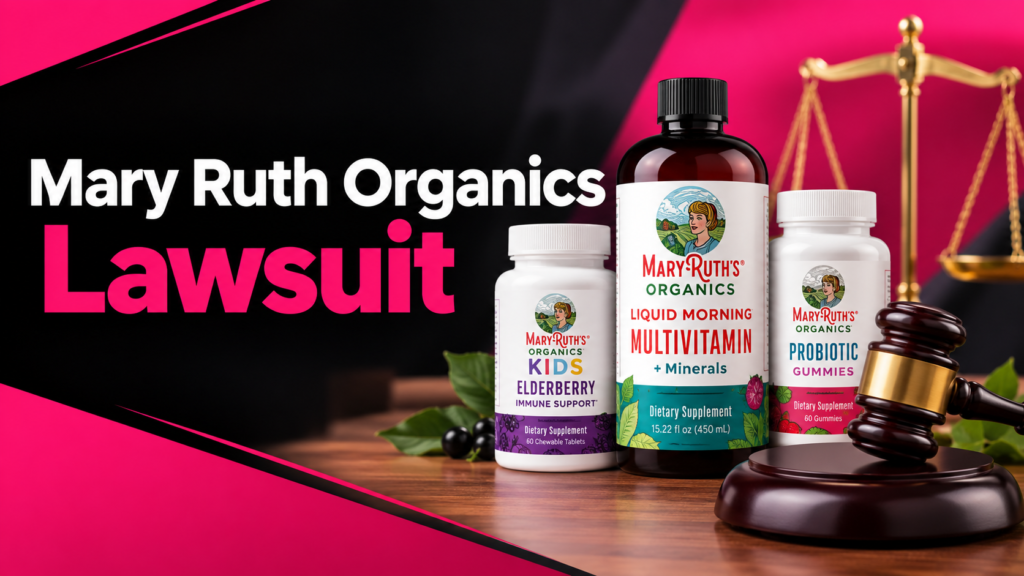

Unexpected charges on your credit card statement from a supplement brand you thought you ordered just once can feel frustrating and confusing. Many health-conscious shoppers turn to brands like MaryRuth Organics for liquid vitamins, gummies, and family wellness products. Some later report recurring bills they did not clearly expect, along with friction when trying to stop them.
This guide explains the current landscape of legal matters and investigations linked to MaryRuth Organics. It focuses on subscription practices, consumer protection rules around auto-renewal, practical steps to cancel unwanted billing, and options if you believe you were misled. The goal is clear information so you can protect your rights and manage any charges.
Overview of Legal Matters Involving MaryRuth Organics
MaryRuth Organics (also associated with MRO MaryRuth, LLC) has faced several distinct legal and regulatory events over the years. These are not all the same type of claim, and mixing them creates confusion online.
In October 2021 the company voluntarily recalled two lots of its Liquid Probiotic for Infants after testing raised the possibility of contamination with Pseudomonas aeruginosa. The U.S. Food and Drug Administration coordinated public notice of the recall. No widely reported major injuries or hospitalizations were publicly tied to those specific lots in later summaries.
In January 2022 a competitor, Doctor Danielle LLC, filed a federal trademark and trade-dress lawsuit in the Eastern District of Washington (Case No. 2:22-cv-00006). The dispute centered on packaging similarity, not product safety or consumer billing. The court dismissed the case with prejudice in August 2022.
In May 2024 a proposed class action complaint was filed in Los Angeles County Superior Court by Jewiano Turner against MaryRuth Organics, LLC and MRO MaryRuth, LLC (Case No. 24STCV10962). The suit alleges unfair, deceptive, and misleading advertising claims about the benefits of MaryRuth’s Organic Kids Focus & Attention Liquid Drops. As of available public summaries in 2026 the matter remained on the docket without a widely reported final resolution or certified settlement.
Separately, in April and May 2026 the consumer protection firm Migliaccio & Rathod LLP announced an investigation into MaryRuth Organics’ subscription and auto-renewal billing practices. The firm cited consumer reports of enrollment in recurring plans without clear awareness, continued charges after believed one-time purchases, difficulty canceling, and challenges obtaining refunds. No certified class action lawsuit solely on subscription practices had been filed as of the latest available information. The investigation examines compliance with federal and state automatic-renewal rules and consumer-protection statutes.
These events remain separate. The 2021 recall and 2022 trademark case are closed. The 2024 advertising case and the 2026 subscription investigation represent the more recent areas of consumer interest.
Understanding Auto-Renewal Laws and Consumer Protections
Subscription models are common in the supplement industry. Many brands offer “Subscribe & Save” discounts that convert one-time purchases into recurring shipments. When disclosures fall short or cancellation proves hard, consumers may face hidden recurring charges or a subscription cancellation trap.
Federal law provides a baseline through the Restore Online Shoppers’ Confidence Act (ROSCA). For online negative-option features (arrangements where silence or failure to cancel leads to continued charges), sellers must:
- Clearly and conspicuously disclose all material terms before obtaining billing information.
- Obtain the consumer’s express informed consent before charging.
- Provide simple mechanisms to stop recurring charges.
Material terms typically include the fact that charges will continue until cancellation, the amount or range of charges, the frequency, and how to cancel.
California, where MaryRuth Organics is based, has one of the stricter auto-renewal laws. California’s Automatic Renewal Law (Business and Professions Code sections 17600 and following) requires clear and conspicuous presentation of automatic-renewal or continuous-service offer terms before the agreement is fulfilled. Businesses must obtain affirmative (and, under later amendments effective mid-2025, express affirmative) consent. They must provide a retainable acknowledgment of the terms and cancellation policy. Online acceptance generally requires an online cancellation option that is easy to use and does not impose extra obstacles.
Additional California requirements that have been strengthened over time include advance notices before certain renewals or fee changes, annual reminders identifying the product or service, charge amount and frequency, and cancellation method, and the ability to cancel through the same medium used to enroll (or the medium the consumer normally uses with the business). Misrepresentation of material facts related to the transaction is also prohibited.
Other states maintain their own automatic-renewal or negative-option statutes. Violations can support claims under state unfair or deceptive trade practices laws. These rules aim to prevent deceptive trade practices and unauthorized credit card billing.
Company terms of service for MaryRuth Organics include provisions on dispute resolution. Consumers should review the current terms for any arbitration requirements or class-action limitations that may apply to individual claims.
Common Consumer Reports About Subscriptions
Reports that prompted the 2026 investigation and appear in complaint forums and Better Business Bureau filings often describe similar patterns:
- A promotional discount or “Subscribe & Save” option selected at checkout led to ongoing shipments and charges the buyer did not fully anticipate.
- Charges continued after the customer believed the purchase was one-time only.
- Attempts to cancel required multiple confirmations, account logins that proved difficult, or repeated contact with customer service.
- Refunds for unwanted shipments were delayed or hard to obtain.
- Reminder emails arrived close to the ship date, leaving limited time to act.
MaryRuth Organics’ public subscription pages state that customers receive a reminder email three days before the next shipment and charge, and that subscribers can skip, cancel, or restart anytime by logging into “My Subscriptions.” The company also offers a Happiness Guarantee for products purchased directly from its site (typically within 30 days for exchange or store credit under stated conditions). These company statements exist alongside the consumer reports that law firms and regulators examine for compliance with disclosure and cancellation standards.
Not every recurring charge is unauthorized. When a consumer affirmatively selects a subscription and receives clear disclosures, the charges are generally authorized. Problems arise when the disclosures are alleged to be unclear, consent is not properly obtained, or cancellation is obstructed.
Step-by-Step Guide: How to Cancel MaryRuth Organics Auto-Renewal
If you want to stop recurring charges, act promptly and keep records. Follow these practical steps.
- Log into your account on the official website.
Go to maryruthorganics.com, sign in, and navigate to “My Subscriptions” or the equivalent account section. Select the product or subscription and choose the cancel, skip, or edit option. Take screenshots of every screen and confirmation. - Confirm cancellation in writing.
After using the online tool, send an email to the customer care address listed on the site (commonly wecare@maryruthorganics.com or the address shown in your account). State your name, order or account number, the product, the date you canceled online, and request written confirmation that no further charges will occur. Keep copies of the email and any reply. - Contact customer service by phone if needed.
The company lists phone or text support. Note the date, time, representative name if given, and what was said. Follow up any verbal cancellation with an email summarizing the conversation. - Monitor your bank or credit card statements.
Watch for the next scheduled charge. If a charge appears after you canceled, contact the company again in writing and request a refund. - Dispute the charge with your card issuer if necessary.
Under federal fair credit billing rules and card-network policies, you can dispute unauthorized or improperly continued recurring charges. Provide your cancellation documentation. Card issuers often reverse charges while investigating. Act within the time limits stated in your card agreement (commonly 60 days from the statement date for many disputes). - Request a refund under the Happiness Guarantee if eligible.
For recent purchases made directly from the company site, contact customer care within the stated window and ask for the exchange or credit option described in the policy. - Document everything.
Save order confirmations, subscription enrollment emails, cancellation screenshots, phone notes, and bank statements. This record helps if you later pursue a chargeback, contact a regulator, or speak with an attorney.
If the online cancellation path is unavailable or fails, use the same medium you used to enroll (email or phone) and request confirmation. California and federal rules emphasize that cancellation should not be substantially harder than enrollment.
Seeking Refunds and Addressing Unauthorized Charges
Start with the company. Many disputes resolve once a clear cancellation request and documentation are submitted. If the company declines a refund for charges you believe were unauthorized or improperly continued, escalate to your payment provider.
For credit cards, the Fair Credit Billing Act and network rules (Visa, Mastercard, etc.) provide paths to dispute billing errors, including unauthorized charges or charges for goods or services not accepted. Debit card rules under Regulation E offer similar protections with different timelines. Contact your bank promptly and supply evidence of cancellation attempts.
You can also file a complaint with the Federal Trade Commission at reportfraud.ftc.gov or with your state attorney general’s consumer protection division. The Better Business Bureau accepts complaints that become part of the public record. These filings do not guarantee a refund but create a paper trail and can support broader investigations.
If the amount is significant or multiple charges occurred, consult a consumer protection attorney. Some firms handle these matters on a contingency or limited-fee basis, especially when patterns suggest systemic issues that could support a class investigation.
Class Action Investigations, Settlements, and Individual Claims
As of mid-to-late 2026 no certified nationwide class action settlement specifically addressing MaryRuth Organics subscription practices had been announced. The Migliaccio & Rathod investigation remained at the information-gathering stage. Consumers who experienced the problems described in the firm’s announcements may contact the firm or other consumer attorneys to share details.
The 2024 Turner advertising case is a separate proposed class action focused on marketing claims for one children’s product. Its status should be checked through official California court records rather than secondary summaries. Eligibility for any future recovery would depend on class definition, certification, and any settlement terms.
MaryRuth Organics’ terms of service include arbitration and class-action waiver language for many disputes. Courts sometimes enforce these provisions, limiting the ability to join a class. Individual arbitration or small-claims court may remain available depending on the facts and the governing law. An attorney can evaluate whether an arbitration clause applies to your situation and what options remain.
Even without an active class settlement, individual consumers retain rights under consumer protection litigation principles, state unfair-competition laws, and federal billing statutes. Documented patterns of unclear disclosures or difficult cancellation can support claims of deceptive trade practices.
Practical Tips to Avoid Future Subscription Issues
- Read the entire checkout page carefully. Look for any language about automatic renewal, the price after any trial or discount, the billing frequency, and the cancellation method.
- Prefer one-time purchase options when available if you do not want ongoing shipments.
- Set calendar reminders a few days before expected renewal dates so you can cancel in time.
- Use virtual card numbers or payment methods that allow easy blocking of future charges when a merchant offers that feature.
- Keep a simple list of all active subscriptions and review statements monthly.
- When a company offers a free trial or large discount tied to a subscription, assume it will convert to paid status unless you cancel, and calendar the end of the trial period.
These habits reduce the chance of surprise charges across any brand.
What to Do If You Suspect Broader Problems
If you purchased the recalled infant probiotic lots in 2021 and still have concerns, the FDA recall page and the company’s original notice remain the primary historical references. For the Focus & Attention product advertising claims, monitor official court updates if you believe you fall within the proposed class.
For subscription issues, the combination of company cancellation tools, written follow-up, payment-provider disputes, and regulator complaints gives most consumers workable paths. When those routes do not resolve the problem, legal advice becomes the next step.
Stay objective. Not every recurring charge is illegal, and not every difficult cancellation experience automatically creates a viable lawsuit. Clear documentation and timely action improve outcomes whether you simply want the charges to stop or believe you have a stronger claim under auto-renewal or consumer-protection rules.
Key Takeaways and Next Steps
MaryRuth Organics has been involved in a 2021 voluntary product recall, a 2022 trademark case that was dismissed, a 2024 proposed class action over advertising claims for one product, and a 2026 law-firm investigation into subscription billing practices. No large certified settlement for subscription issues existed as of the latest available information.
Consumers facing unexpected recurring charges should cancel through the account portal, confirm in writing, monitor statements, and dispute charges with the card issuer if needed. Federal ROSCA rules and California’s Automatic Renewal Law set standards for disclosure, consent, and easy cancellation. Individual rights remain available even when no class action is pending.
Review your own statements and account history today. If charges continue after a clear cancellation request, gather your records and consider contacting customer care again, your bank, or a consumer protection attorney. Understanding the rules puts you in a stronger position to stop unwanted billing and pursue any appropriate remedies.
Frequently Asked Questions
Is there an active class action lawsuit against MaryRuth Organics for subscriptions?
As of available information in 2026, a law firm is investigating auto-renewal practices, but no certified class action solely on subscription billing had been filed or settled. A separate 2024 proposed class action concerns advertising claims for a children’s focus product.
How do I cancel a MaryRuth Organics subscription?
Log into your account on the official website, go to My Subscriptions, and select cancel or skip. Follow up with an email requesting written confirmation. Keep screenshots and copies of all communications.
What if charges continue after I cancel?
Contact the company again in writing, then dispute the charge with your credit or debit card issuer using your cancellation evidence. You may also file complaints with the FTC or your state attorney general.
Does California’s auto-renewal law protect me?
Yes, if you are a California consumer or the transaction has sufficient California connections. The law requires clear disclosures, affirmative consent, easy cancellation (often online if enrollment was online), and certain notices. Other states have similar rules.
Can I get a refund for past subscription charges?
Request a refund directly from the company under its Happiness Guarantee if the purchase is recent and made on its site. For older or disputed charges, use your card issuer’s dispute process and document why you believe the charges were unauthorized or improperly continued.
What should I do with the 2021 probiotic recall?
That recall was limited to two specific lots and is closed. If you still have product from those lots or related concerns, refer to the original FDA notice. No major injury class action has been widely reported.
Should I contact a lawyer?
If the amounts are large, multiple charges occurred despite cancellation efforts, or you believe disclosures were deceptive, a consumer protection attorney can review your documents and advise on individual claims, arbitration issues, or participation in any future investigation or case.
You May Also Like: Understanding Lawsuit Abuse: Tactics, Impact, and Legal Reforms